Navigating Alaska's Natural Wonders: An In-Depth Guide to Wilderness Travel in the US' Northern Gem
Discovering Alaska's wilderness provides a one-of-a-kind adventure travel experience, characterized by its breathtaking landscapes and diverse wildlife. This destination draws outdoor enthusiasts pursuing activities ranging from hiking to kayaking. Nevertheless, proper preparation is crucial to safely traverse its rugged terrain. Understanding the best times to visit, essential gear, and diverse outdoor activities can enhance the adventure. What lies in store for those who explore this northern paradise? The adventure promises discoveries that surpass the conventional.
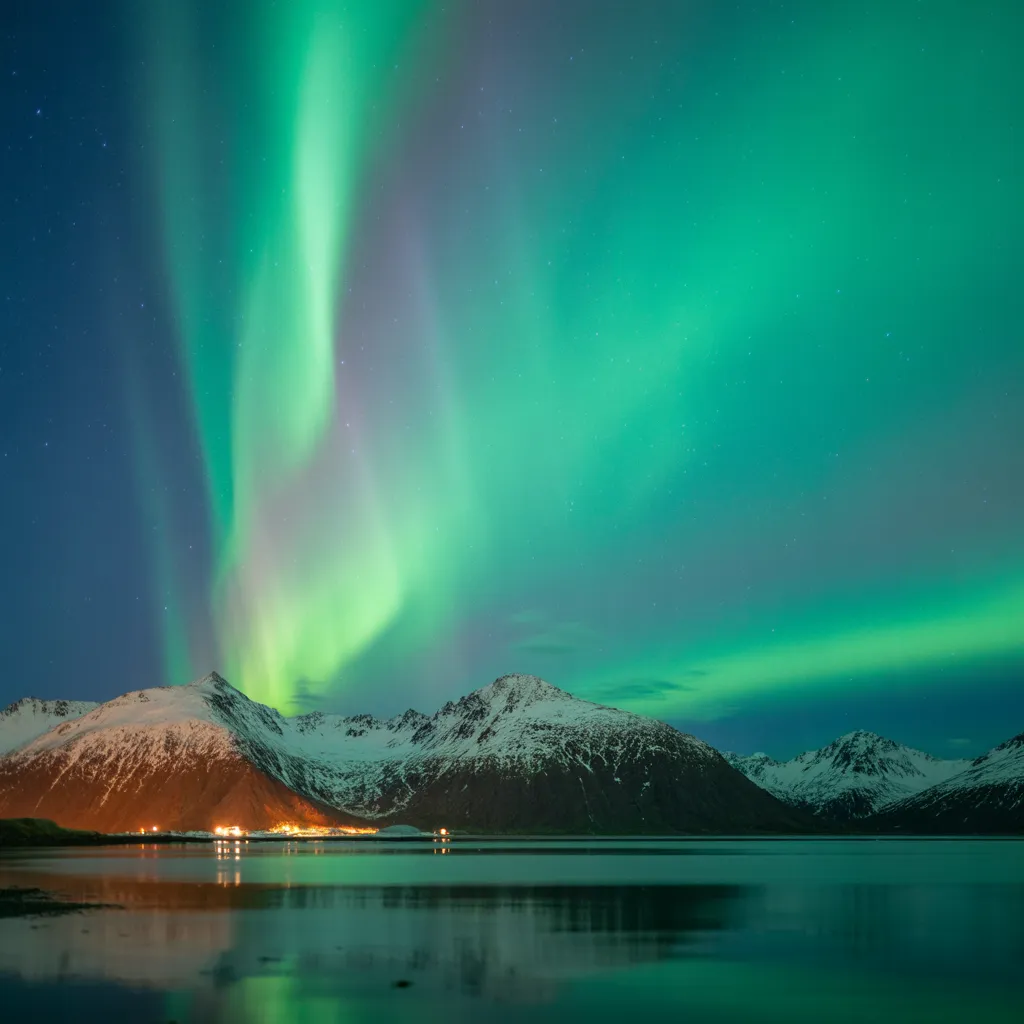
The Ideal Time to Explore Alaska's Wilderness
When should one venture into Alaska's breathtaking wilderness? Much depends on the sort of journey you have in mind. Generally, the summer months, from late May to early September, provide the most favorable conditions for exploration. Throughout these months, temperatures remain comfortable, falling between the mid-50s and mid-70s Fahrenheit, while extended daylight hours stretch into the evening, enabling lengthier excursions.
Wildlife is particularly active in summer, with opportunities to observe migrating birds, bears, and whales. Those with a passion for winter activities, late December to early March offers stunning snowy landscapes and pursuits such as skiing and snowshoeing. That said, this particular season calls for special preparation because of the cold weather and limited daylight. Ultimately, the ideal time to visit Alaska copyrights on individual activity preferences and tolerance for changing weather conditions.
Top Gear Picks for Alaska
To fully enjoy Alaska's rugged landscapes, visitors must arm themselves with essential gear suited to the varying conditions they may encounter. High-quality waterproof clothing is important, as sudden rain and volatile weather patterns can arise. Insulated layers provide warmth in lower temperatures, while ventilated textiles regulate dampness during physical activities. Durable, water-resistant boots are necessary for moving across different surfaces, guaranteeing stability and ease.
A reliable backpack enables systematic storage of gear, including a first-aid kit, food items, and wayfinding devices. Binoculars improve wildlife viewing, while a compass or GPS device is crucial for finding your way in isolated locations. Additionally, a multipurpose tool can come in handy for a wide range of tasks. To round out your kit, a long-lasting water bottle or hydration system is important to maintain hydration during adventures. With the appropriate supplies, travelers can fully immerse themselves in Alaska's awe-inspiring wilderness, guaranteeing a safe and memorable adventure.
Premier Outdoor Experiences to Enjoy in Alaska
What outdoor activities are available in Alaska's vast wilderness? Those in search of thrills will find a myriad of activities to explore. Hiking stands out as a top activity, with trails ranging from easy walks to challenging backcountry routes. Glacial hiking presents an extraordinary chance to traverse ancient ice formations, while kayaking allows for close encounters with breathtaking fjords and scenic coastlines.
Avid anglers can cast their lines in pristine rivers and lakes, offering opportunities for halibut, salmon, and trout. For a fresh experience, tackling rugged terrains on a mountain bike takes the excitement to another level. Winter activities also stand out, with snowboarding and skiing drawing adventure lovers to snow-dusted mountain slopes.
In addition, mushing highlights a authentic Alaskan experience, uniting speed and teamwork. Every pursuit not only highlights the breathtaking natural beauty but also engulfs explorers in the heart of Alaska, rendering it a leading destination for wilderness explorers.
Memorable Wildlife Discoveries in Alaska?
The wilderness of Alaska functions not only as an arena for outdoor pursuits but also as a protected haven for abundant wildlife. Visitors are often captivated by the opportunity to observe majestic creatures in their natural habitats. The state is home to iconic species such as grizzly bears, moose, and bald eagles, each contributing to its rich ecological tapestry.
Throughout the summer season, the opportunity to observe humpback whales breaching in the coastal waters is a stunning experience. In Denali National Park, wildlife enthusiasts have the chance to see caribou migrating across vast landscapes, while the serene waters of Kenai Fjords display delightful sea otters and basking seals.
Avid birders will find delight in the abundant migratory birds that gather in the region. Each encounter in Alaska's wild offers an remarkable moment, nurturing a deep reverence for the natural world and its inhabitants, making it a must-visit destination for avid wildlife lovers.
Travel Planning Guide for First-Time Visitors
Itinerary planning for newcomers to Alaska demands careful consideration of must-see destinations and critical packing advice. These elements guarantee a remarkable experience in the state's vast wilderness. By focusing on key destinations and preparing appropriately, travelers can fully enjoy Alaska's unique offerings.
Must-See Destinations
For travelers exploring the magnificent terrain of Alaska on their inaugural trip, selecting the right destinations can tremendously enrich the journey. Exploring Denali National Park offers stunning views of the continent's most towering summit and opportunities for wildlife spotting. The coastal charm of Seward, offering entry to Kenai Fjords more info National Park, reveals spectacular glaciers and ocean wildlife. Anchorage provides a vibrant city experience, blending urban culture with outdoor activities. Moreover, the tranquil beauty of Glacier Bay National Park mesmerizes guests with its remarkable fjords and varied habitats. Each destination offers unique experiences, guaranteeing that newcomers depart with lasting impressions of Alaska's remarkable landscapes.
Crucial Packing Suggestions
Once those must-see destinations have been chosen, thoughtful packing can significantly improve the Alaskan experience. First-time visitors should prioritize layers, as temperatures can fluctuate dramatically. A sweat-wicking base layer, warming mid-layer, and water-resistant outer layer will ensure comfort across different weather conditions. Sturdy, waterproof footwear is essential for hiking and exploring rugged terrain.
In addition, bringing a durable backpack for day trips, a eco-friendly water bottle, and snacks will ensure travelers stay energized. Safety and comfort depend on essentials like first aid kits and insect repellent. A travel guide, a camera for breathtaking scenery, and binoculars for spotting wildlife can greatly enhance the journey. Ultimately, a well-thought-out packing list can be the deciding factor between an unforgettable trip and a difficult one in Alaska's wilderness.
Keeping Safe While Discovering Alaska's Wild Side
While traversing the breathtaking yet unpredictable wilderness of Alaska, adventurers must prioritize safety to secure a remarkable journey. Preparation is key; explorers need to become well-versed in the geography and meteorological conditions, as these factors can alter quickly. Bringing a comprehensive map, a dependable GPS, and a first aid kit is crucial.
Wild animal encounters, most notably with bears, necessitate caution. Familiarizing yourself with bear safety guidelines and keeping bear spray accessible can minimize potential hazards. Additionally, adventurers should travel in groups when possible and inform someone of their itinerary.
Should an emergency occur, having an effective way to communicate, such as a satellite handset, can be critical to survival. Understanding the signs of altitude sickness and keeping well hydrated will also improve overall safety. In the end, by treating the wilderness with respect and making adequate preparations, explorers can truly appreciate the breathtaking splendor of Alaska's untamed wilderness while minimizing risks.
Common Questions and Answers
What Are the Local Customs and Etiquette in Alaska?
Across Alaska, inhabitants prioritize respect for the natural world and their communities. Salutations tend to be friendly yet reserved, reflecting a desire for privacy and personal distance. Gift-giving is appreciated, with a special fondness for handmade offerings, highlighting a meaningful tie to longstanding customs.
How Do I Access Remote Locations in Alaska?
To access isolated spots in Alaska, visitors frequently rely on bush planes, ferries, or snowmobiles. Native guides can deliver critical help, guaranteeing secure travel across difficult landscapes and access to lesser-known destinations. Thorough planning is necessary.
Does Alaska Offer Any Unique Cultural Experiences?
Alaska provides unique cultural opportunities such as traditional Native Alaskan festivals, traditional art sessions, and traditional storytelling events. Visitors can engage with nearby communities, obtaining a deeper understanding of their profound heritage and connection to the land.
Which Regional Foods Should You Try in Alaska?
Top regional dishes to sample in Alaska feature wild-caught salmon, halibut, reindeer sausage, and an assortment of game meats. Additionally, dishes featuring local berries, such as blueberries and cranberries, showcase the state's unique culinary offerings.
How Can I Minimize My Environmental Impact While Traveling?
To limit environmental damage when you travel, it is important to opt for public transit, reduce waste, back local businesses, pick environmentally responsible stays, and preserve natural environments. Responsible travel behaviors enrich the journey while preserving the location's natural character.